
Requirements that stay connected downstream.

Capture structured requirements, trace them to test cases, and know instantly when a change puts coverage at risk. No more traceability matrices updated manually at the end of a sprint.

Structured capture

User stories, epics, PRDs — organised and AI-indexed from day one.

Dependency mapping

Understand which requirements depend on each other before tests are written.

End-to-end traceability

From requirement → test case → defect — all linked, never broken.

Change impact alerts

Requirement changes automatically flag the test cases that need revisiting.
Capture

Capture requirements the way your team actually writes them.

User stories, acceptance criteria, business rules, technical specs — structured in one place with AI-assisted enrichment that adds context your team didn't know to write down.

User story and epic structuring with acceptance criteria

Business impact tagging — high / medium / low per requirement

AI-generated context enrichment from your knowledge base

Version history — know what changed and when

Traceability

Trace from requirement to test to defect — automatically.

The traceability matrix used to be a spreadsheet updated by someone the night before a release. In Bugasura, traceability is live — every test case links to the requirement it covers, every defect links to the test that caught it.

Live traceability matrix — no manual updates

Requirement coverage percentage per sprint

Defect-to-requirement linkage for root cause clarity

Exportable traceability report for audit and sign-off

Manage Test Data

Test data that's structured, versioned, and always in sync with your requirements.

Test data management in most QA tools is an afterthought — a folder of CSV files no one trusts. In Bugasura, test data is a first-class entity linked to the requirements it supports. When a requirement changes, the test data sets that cover it are flagged for review automatically.

Test data sets linked directly to requirements and test cases

Version control — know which data set was used in which test run

Environment-specific data sets: dev / staging / production variants

Change impact alerts when linked requirements are updated

User Journey Workflow

Map requirements to end-to-end user journeys — not just individual stories.

User stories describe individual actions. User journeys describe what a real customer actually does across your product. Bugasura lets you map requirements to complete journeys — so your test strategy covers the flow a user actually takes, not just the endpoint they arrive at.

Journey builder — map multi-step user flows from linked requirements

Journey-to-requirement traceability — every step covered

Identify coverage gaps across the full flow, not just per story

Journey templates reusable across product areas and sprints

Platform flow diagram

Platform Flow

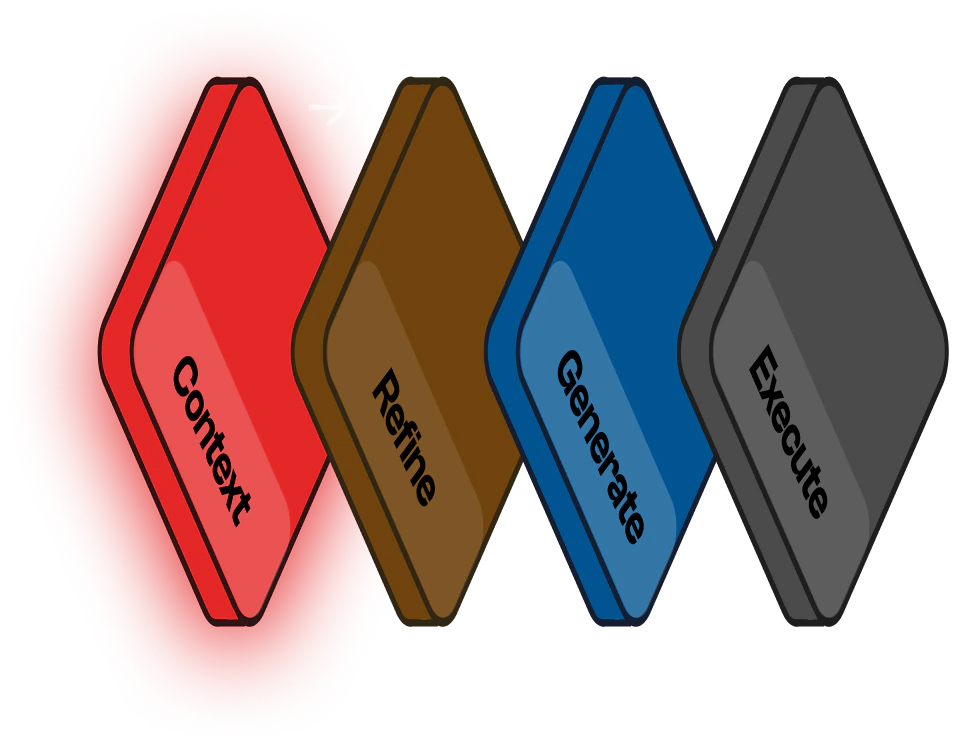
Requirements captured here inform the Refine layer's risk surface map — so test case generation is always driven by what your product actually needs to do, not by what's easiest to test.


We used to have a traceability spreadsheet that was always two sprints behind. Now our requirements, tests, and defects are connected in real time. The coverage gap alerts alone saved us from shipping broken features twice last quarter.

Suresh R.

QA Manager, FinTech startup